
Places to Visit in Vaishali, Bihar
Vaishali rewards travellers who enjoy looking beyond a monument’s surface. A lion-topped pillar, excavated brick remains, a peaceful white stupa and an ancient assembly site together make this a meaningful heritage outing from Patna. Rather than racing through a long checklist, give each stop time: read the signs, notice the landscape and let the different chapters of the destination connect.
The district’s official heritage account describes Vaishali as one of the world’s oldest republics, associated with the Vajjis and Lichchhavis.[3] For visitors, that political history sits alongside Buddhist pilgrimage and a living rural setting. This guide covers the essential places to visit in Vaishali, Bihar, with a practical route, transport planning and advice on what to confirm before leaving.

Why include Vaishali in your Bihar itinerary?
Vaishali is a good choice when you want a heritage-focused day rather than a city sightseeing circuit. Its appeal is the combination of archaeology, reflection and open-air exploration. The district identifies Buddhist sites, the archaeological museum and Raja Vishal ka Garh among its major attractions.[2] You do not need specialist knowledge to appreciate them, but a little preparation makes the remains much easier to understand.
If you are building a longer holiday, explore our Bihar Travel Packages and ask for a route that gives Vaishali its own unhurried sightseeing day. Treat the plan below as an editorial suggestion, not a fixed operating schedule or a promise that every attraction will be accessible on your chosen date.
1. Ashokan Pillar: Vaishali’s signature landmark
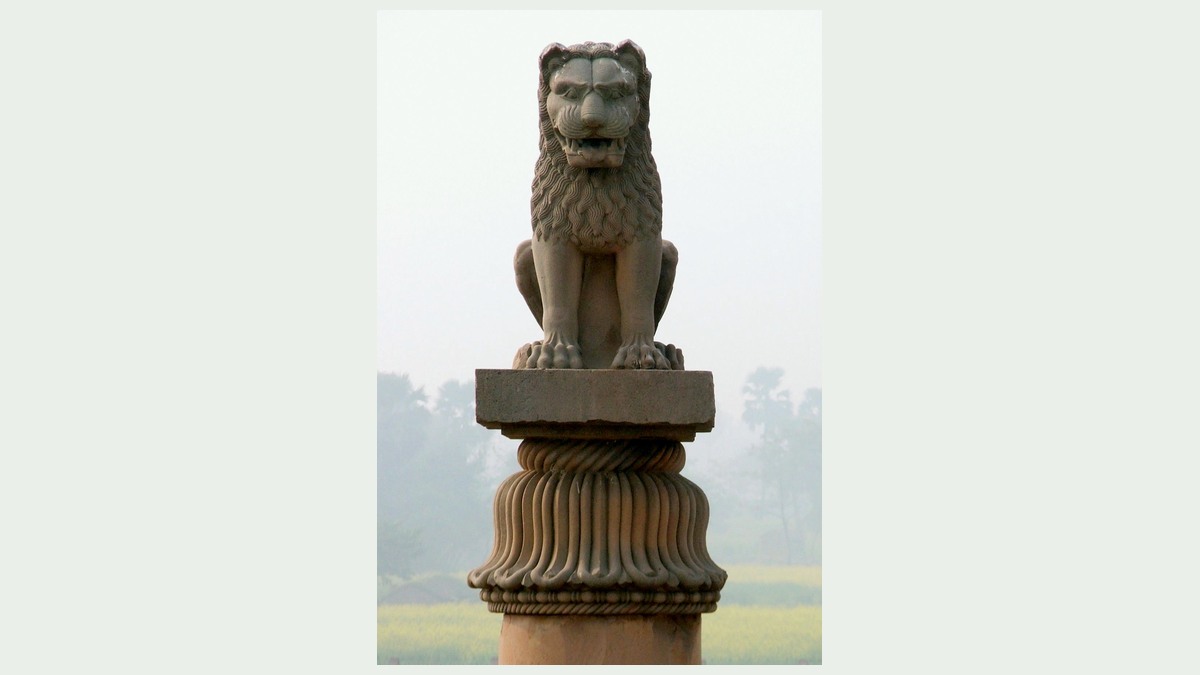
The Ashokan Pillar at Kolhua is the natural starting point for many visitors. Bihar Tourism describes it as a polished, single-piece red sandstone pillar crowned by a lion, standing beside a brick stupa.[1] Seen together, the sculpture and archaeological surroundings are more rewarding than a quick photograph taken at the entrance.
Look closely at the lion and the proportions of the capital, then step back to see how the pillar relates to the surrounding remains. Read the interpretation boards before making assumptions about each structure. A guide can help connect what you see with the site’s history; agree on the service and scope before beginning rather than assuming guided interpretation is included in admission.
Bihar Tourism associates the monument with the Buddha’s last sermon and asks visitors not to touch the pillar.[1] Keep to permitted paths and photograph from a respectful distance. For families, this is a useful place to turn sightseeing into a simple observation game: ask children to identify the animal, material and shapes without climbing on any remains.
2. Kolhua: explore the archaeological setting
Ashokan Pillar and Kolhua are not two unrelated destinations. Kolhua is the excavation site where the pillar stands; Bihar Tourism also records a brick stupa and a small tank called Ramkund here.[1] Plan them as one connected visit, while allowing enough time to notice more than the most recognisable landmark.
Walk the accessible circuit slowly. Brick foundations can look similar at first, so use the site signage to distinguish features rather than assigning every wall a dramatic story. The most satisfying approach is to combine a wider view of the complex with closer observation of the permitted displays and surviving structures.
Carry water and sun protection, and choose footwear that feels secure on outdoor paths. If a member of your group has limited mobility, ask about the current entrance route, walking surfaces and seating before travelling. Do not infer step-free access from photographs. Keep the visit flexible if conservation work or weather limits which areas are open.
3. Vishwa Shanti Stupa: a quieter pause
The Vishwa Shanti Stupa, also called the World Peace Pagoda, offers a different mood from the excavated sites. The district’s tourism page attributes it to the Japanese Buddhist order Nipponzan Myohoji and describes it as a symbol of peace.[2] Include it as a place for a calmer stop rather than treating it only as a backdrop.
Keep voices low, respect worshippers and follow any instructions about shoes, photography or access to particular areas. Before photographing a person at prayer, ask permission. If your group has spent the morning discussing archaeology, this is a good opportunity to pause without trying to fill every moment with commentary.
Vaishali’s peace pagoda should not be confused with the similarly named attraction in Rajgir. When discussing your route with a driver, specify the destination clearly. Ask where the vehicle can wait and which entrance is currently available, especially if travelling with older relatives or anyone who needs a shorter walk.
4. Raja Vishal Ka Garh: imagine an ancient assembly
Raja Vishal Ka Garh is best approached as an archaeological landscape, not a preserved palace with furnished rooms. The district describes the large mound as a site believed to have been the parliament house of the ancient Lichchhavi republic.[2] Bihar Tourism also connects its extensive remains with the Vajji Republic.[5]
That distinction helps set expectations. Visit for the relationship between place and political history, rather than for elaborate surviving interiors. Read the local interpretation and look at the overall layout from permitted viewpoints. Where explanations use words such as “believed” or “associated,” preserve that uncertainty instead of turning tradition into a definitive reconstruction.
Allow space for questions: what would an assembly have meant in this setting, and how do archaeologists interpret remains that no longer resemble complete buildings? The ASI Patna Circle includes Raja Vishal ka Garh among its Vaishali attractions.[6] Respect barriers, avoid littering and never remove fragments or climb remains for a better camera angle.
5. Vaishali Museum: add context to the ruins
The Vaishali Museum is worth considering alongside the outdoor sites. Bihar Tourism says it was established by the Archaeological Survey of India in 1971 to display finds from ancient Vaishali, including sculptures, coins, pottery and terracotta objects.[4] It can help turn an enjoyable walk into a more connected understanding of the destination.
Instead of trying to absorb every label, select a few objects that interest you. Compare a sculpture’s details with the smaller everyday items, and discuss what different kinds of evidence can reveal. ASI’s museum overview explains the value of keeping archaeological finds close to the sites from which they came.[7]
Confirm current opening arrangements, the weekly closure, admission rules and photography permissions directly before your visit. This guide does not quote fixed museum hours or ticket prices. If the museum is unavailable, do not let that derail the whole day: give the accessible outdoor sites more time, while leaving the museum for a future visit.
How to reach Vaishali from Patna
For a Patna-based outing, road transport is the most straightforward planning option to discuss with your travel provider. Bihar Tourism places Kolhua approximately 65 kilometres northwest of Patna and lists private taxis and local buses from Hajipur as local transport options.[1] That figure refers to Kolhua, not every hotel-to-attraction journey.
Choose a vehicle arrangement that covers the return trip and movement between the sightseeing stops. Confirm the pickup location, waiting arrangements and what the quoted service includes. Ask the driver to check the route on your travel date; traffic, road conditions and your starting point can affect the day. Avoid relying on an exact journey duration taken from an old blog.
If you prefer public transport, verify the current Patna–Hajipur connection and the onward service toward your intended Vaishali stops locally. Do not assume a particular bus runs daily or that return transport will be waiting after sightseeing. Travellers arriving through Patna should arrange their onward transfer around their actual arrival rather than a speculative timetable.
Our Patna sightseeing guide can help you decide what to keep for a separate city day, instead of squeezing Patna’s attractions into the Vaishali return journey.
Best time to visit Vaishali
Bihar Tourism recommends September to April for the Ashokan Pillar and Raja Vishal ka Garh.[1][5] For a trip built around outdoor sightseeing, consider October to March as a practical window within that broader season, then check the forecast and local conditions before finalising the date. This narrower suggestion is planning advice, not an official guarantee of comfortable weather.
Prepare for the conditions you will actually encounter. Bring a light layer when needed, sun protection for exposed walking and rain protection if showers are forecast. During wet weather, ask whether paths remain usable. In hotter conditions, reduce unnecessary walking, take breaks and avoid planning a day with no flexibility.
Seasonal recommendations do not establish opening status. A favourable month cannot guarantee museum access, a festival programme or unrestricted entry to an archaeological area. Confirm those details separately, particularly when your group is travelling mainly for one specific attraction.
Local food: keep lunch simple and regional
A Vaishali outing is a good opportunity to ask for a freshly prepared regional meal. Litti chokha is a useful starting point: Bihar Tourism describes litti as a baked wheat preparation filled with sattu and spices, commonly served with ghee and brinjal or mashed potato.[8] Ask what is available that day rather than expecting a fixed menu everywhere.
Tell your host or restaurant about allergies and dietary preferences before ordering, including whether you want ghee. Choose a clean place with freshly cooked food, and carry drinking water from a reliable source. If travelling with children, keep a familiar snack available so a delayed lunch does not dictate the sightseeing route.
This guide does not endorse an unverified roadside outlet or quote meal prices. Ask your driver or travel organiser for a suitable lunch stop, then check cleanliness and the menu yourself. Leave time to eat comfortably rather than making lunch another rushed attraction.
A flexible one-day sightseeing plan
Start from Patna with a return arrangement already agreed. Begin with the Ashokan Pillar and Kolhua as one archaeological visit. Continue to the Vishwa Shanti Stupa for a quieter pause, then include the museum if its opening arrangements have been confirmed. Keep Raja Vishal Ka Garh in the plan and adjust the order to local access and your group’s energy.
This is a suggested sequence, not a timed tour promise. Leave room for lunch, interpretation boards, photographs and rest stops. If you have only a short window, prioritise the sites that matter most to you rather than rushing every location. Tell your organiser whether your focus is Buddhism, archaeology, family learning or relaxed sightseeing.
Extend your journey without overcrowding it
For a wider heritage route, use our Rajgir travel guide and Nalanda attractions guide to shape separate sightseeing days. If your interest is a longer Buddhist journey, our Bodhgaya guide offers another destination to discuss with your organiser. These are itinerary extensions, not suggestions to visit every destination on the Vaishali day trip.
Plan your Vaishali trip with Journey2Bharat
Ready to explore the places to visit in Vaishali, Bihar? Contact Journey2Bharat to request a customised itinerary. Share your travel date, Patna pickup point, group size and preferred pace, including any mobility or dietary needs. Ask the team to confirm transport, attraction access and any proposed inclusions before booking. Build a journey that gives Vaishali’s heritage the time it deserves.
Sources
[1] Bihar Tourism: Ashokan Pillar, Kolhua
[2] Vaishali District: Places of Interest
[3] Vaishali District: Culture and Heritage
[4] Bihar Tourism: Vaishali Museum
[5] Bihar Tourism: Raja Vishal ka Garh
[6] ASI Patna Circle: Attractions